
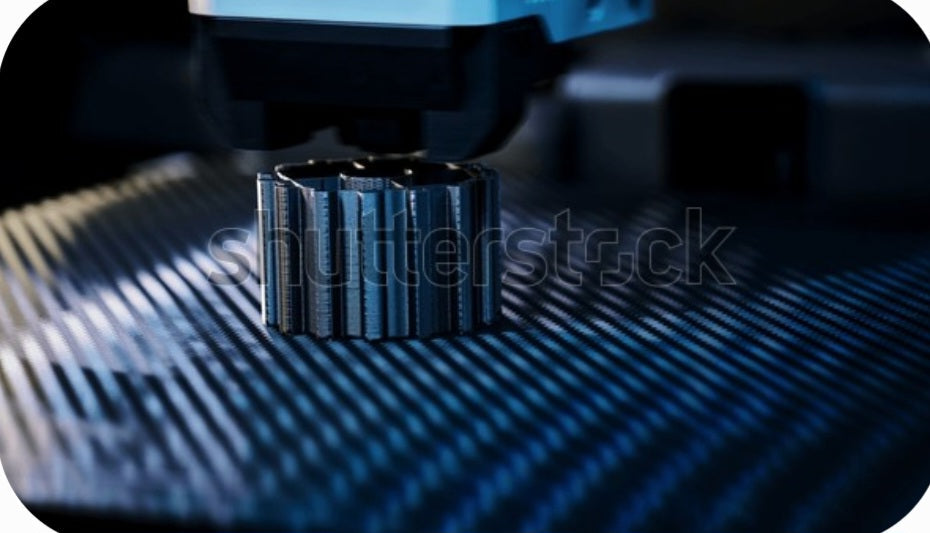
Printing metal is a highly specialized process, and for most individuals and businesses in South Africa, it is far more practical to use a professional service bureau than to purchase equipment yourself.
Understanding Metal 3D Printing Methods
Metal 3D printing generally falls into two categories: industrial-grade systems and desktop-based experimental setups.
Industrial Metal Printing (DMLS): This is the most common professional method in South Africa, often referred to as Direct Metal Laser Sintering. These systems use high-powered lasers to fuse metal powders (such as stainless steel, aluminum, or maraging steel) into solid parts. This process produces high-strength, precise components suitable for aerospace, medical, and engineering applications.
Desktop Metal Printing: While you may see "metal-filled" filaments marketed for standard home printers, these are technically "green parts". After printing, these parts must undergo professional-grade debinding and sintering in a high-temperature furnace to become solid metal. This equipment is extremely expensive and technically demanding to manage outside of a professional facility.
How to Get Metal Parts in South Africa
Because the hardware for true metal printing is prohibitively expensive for hobbyists and requires specialized safety environments, it is recommended to outsource these projects to South African service bureaus.
Service Bureaus: Companies such as Akhani 3D and Addimax provide professional metal 3D printing services. They operate industrial-grade machinery and can manufacture end-use parts from your CAD files.
Process: You typically upload your CAD file to their website, select your required metal material, and receive an instant or manual quote in Rands
Cost Considerations: Pricing is highly variable based on the complexity of the geometry, the volume of the part, and the type of metal used. Since these are industrial services, you should expect costs to be significantly higher than standard plastic filament printing.
Summary for Your Workflow
If you are looking to create metal parts for a project, do not attempt to buy a "metal 3D printer" for home use, as the infrastructure required (furnaces and safety equipment) is not designed for a household setting. Instead, treat your design process as you would for plastic: finalize your CAD model, then contact a South African service bureau for a professional quote in Rands. This ensures you get high-quality, functional metal parts without the massive capital investment of owning an industrial DMLS machine.
Ultimately, while the idea of "printing metal" at home is an exciting frontier in technology, it remains a complex and costly endeavor that isn't quite ready for the average household setup.
For your immediate projects, continuing to master your FDM printer with high-quality plastics is the most efficient and cost-effective path forward.
When a project truly demands the strength and properties of metal, utilizing established South African service bureaus ensures you get professional-grade results, allowing you to focus your budget and energy on perfecting your designs rather than managing high-temperature industrial furnaces.


