
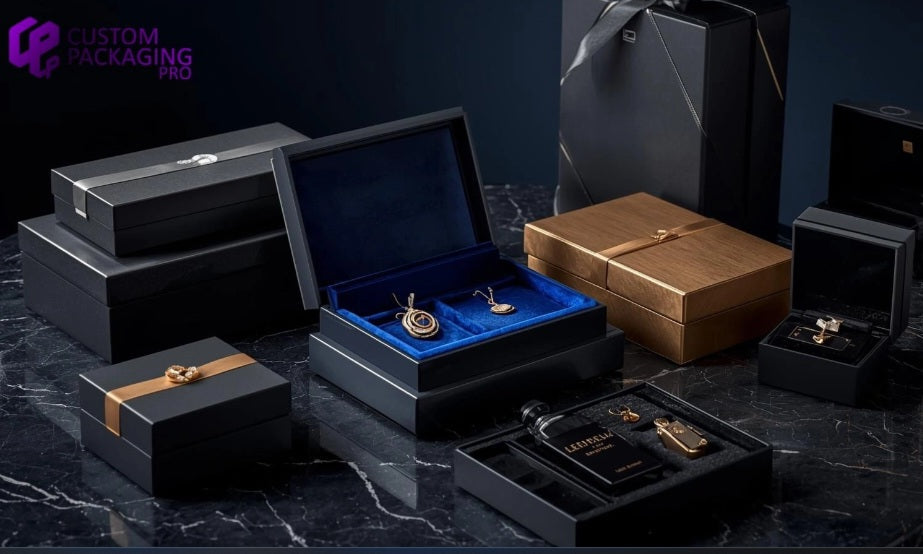
Leveraging Industrial Additive Manufacturing for Custom Packaging Prototypes: Iterating Complex Geometries and Structural Integrity Before Short-Run Production
Developing bespoke packaging solutions often demands intricate geometric features, precise hinge tolerances, and robust structural protection that standard cardboard mock-ups simply cannot replicate. By leveraging high-performance 3D printing, industrial workshops can fabricate functional, rigid, and flexible packaging prototypes on demand. This advanced capability allows design teams to evaluate physical handling, snap-fit closures, and drop-test performance within hours rather than waiting weeks for traditional tooling samples.
Core Objectives of Additive Packaging Prototyping
Structural Load and Stacking Verification:
Testing how multi-layered printed containers handle vertical compression, transit vibrations, and warehouse storage stress under real-world loads.
Hinge and Closure Optimization:
Evaluating the tactile feedback, fatigue resistance, and durability of live hinges, threaded caps, and snap-fit locking mechanisms.
Rapid Design Agility:
Adjusting wall thicknesses, internal cavity clearances, and surface textures in CAD and reprinting iterations overnight to refine the user unboxing experience.
Technical Considerations for Functional Packaging Prints
Material Selection and Flexibility:
Choosing appropriate engineering polymers—such as flexible TPU for gaskets or durable PETG and ABS for rigid shells—to match the functional requirements of the final product.
Infill Density and Wall Optimization:
Balancing structural rigidity with material usage by configuring specialized internal cellular patterns that absorb impact without adding unnecessary weight.
Surface Finish and Ergonomics:
Refining external geometries to ensure comfortable grip profiles and clean aesthetics that align with high-end retail standards.
Integrating custom 3D printed packaging prototypes into the pre-production workflow eliminates the financial risk of committing to expensive physical molds prematurely. By validating structural integrity and mechanical closures early, workshops ensure that every packaging run achieves optimal product protection and commercial appeal. Furthermore, maintaining a detailed test log of drop resistances, seal tolerances, and material deflection provides critical data for the final design-for-manufacture review.


