
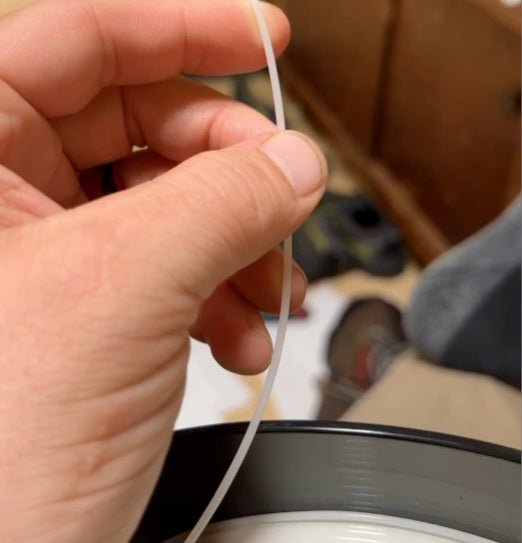
Filament doesn’t "expire" like food with a hard date, but it does degrade over time. Because most 3D printing materials are hygroscopic (they absorb moisture from the air), their quality, strength, and printability will drop if left unprotected.
The Truth About Filament "Expiration"
While there is no universal "best-by" date, filament generally follows these typical lifespans:
Unopened/Vacuum-Sealed: If stored properly in a cool, dark, and dry place, most filament remains in "like-new" condition for 2 to 3 years.
Opened Spools: Once the seal is broken, exposure to humidity, UV light, and dust begins to degrade the material. Even with decent storage, you should aim to use open spools within 6 to 12 months.
Opened Spools: Once the seal is broken, exposure to humidity, UV light, and dust begins to degrade the material. Even with decent storage, you should aim to use open spools within 6 to 12 months.
In Humid Conditions: If left out on an open shelf in a humid environment, some filaments can become brittle and unprintable in as little as a few weeks.
Common Signs Your Filament Has Degraded
If you aren't sure if a spool is still good, look for these tell-tale signs:
Brittleness: The most common symptom. If the filament snaps or shatters when you bend it into a "U" shape rather than flexing, it has likely absorbed too much moisture or lost its plasticizers.
Popping and Sizzling: This is the sound of water trapped in the filament turning into steam inside your nozzle. It often leads to bubbles, gaps, and "stringing" in your prints.
Poor Print Quality: Look for rough surfaces, inconsistent extrusion, or layers that aren't sticking together properly.
Visual Changes: Sometimes, older filament may appear discolored, faded, or even dusty/powdery on the surface.
Can You "Revive" Expired Filament?
Yes! If your filament is brittle or popping, it doesn't always mean it belongs in the trash. You can often restore its performance by drying it.
Tools: Use a dedicated filament dryer, a food dehydrator (usually set to 45°C for PLA), or your printer's heated bed (covered with a cardboard box).
Note: While drying can fix moisture issues, it cannot reverse long-term chemical degradation (like the loss of plasticizers in very old material). If the filament remains brittle after a thorough, long-duration dry, it may be time to retire that spool for non-critical projects.
While filament doesn't come with an expiration date, it rewards those who treat it with care. By keeping an eye on your storage conditions and knowing the signs of degradation, you protect your investment and ensure every print looks its best.
Don't be afraid to test your filament before a long print—a quick bend test can save you from a failed build and hours of wasted time. Treat your materials well, and they will consistently deliver the high-quality results you’re looking for.


