
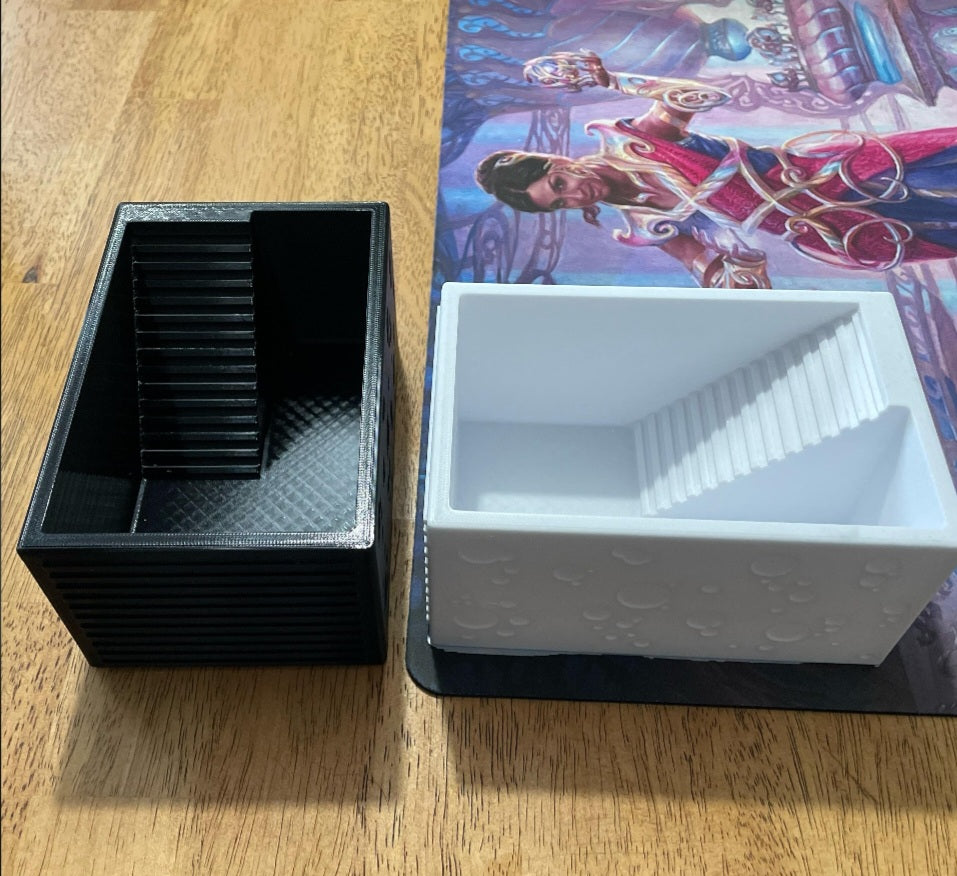
Yes, PETG is highly water-resistant and is widely considered one of the best materials for printing watertight parts. Because it doesn't swell or weaken when exposed to humidity or moisture, it is a staple for outdoor planters, bathroom accessories, and marine-related projects.
However, there is a technical difference between the material being water-resistant and the part being watertight.
Why PETG is a Great Choice
Low Moisture Absorption: Unlike some filaments that soak up humidity (which can ruin print quality), PETG is stable.
Chemical & UV Resistance: It holds up well against rain, salt water, and sun exposure, making it far superior to PLA for long-term outdoor use.
Food Safety: It is generally considered food-safe (check your specific manufacturer's data sheet), which is why it is frequently used for liquid-holding containers.
Tips for Making Truly Watertight Prints
Even with a water-resistant material like PETG, a 3D print can "weep" or leak through the microscopic gaps between layers. To ensure your part is 100% watertight, follow these expert tips:
Increase Perimeters: Use 4 to 6 walls (shells). This creates a thicker physical barrier that water struggles to penetrate.
Over-Extrusion: Slightly increasing your flow rate (by 1–3%) can help the plastic lines fuse together more tightly, closing gaps.
Increase Temperature: Printing on the hotter end of your filament's range helps the layers melt into each other more effectively.
Use More Top/Bottom Layers: Ensure you have enough solid layers on the top and bottom to prevent seepage.
Post-Processing: For critical applications, you can seal the inside of the part with an epoxy resin or a food-safe sealant for a guaranteed, permanent seal.
Bottom line: If you need a part that can hold water or survive being wet, PETG is exactly what you should be using.


