
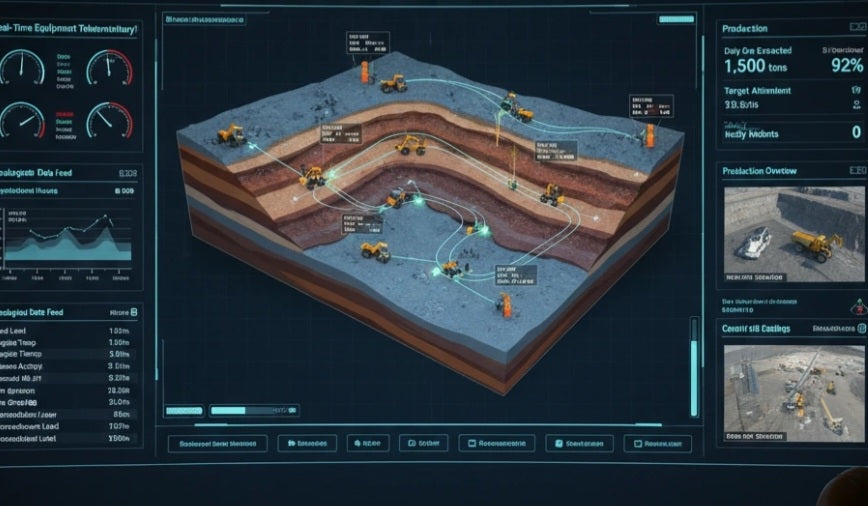
Bridging the Physical and Virtual Worlds
A digital twin is a dynamic, virtual replica of a physical object, process, or system that is updated in real-time using data from the real world.
Unlike a static 3D model, a digital twin acts as a living bridge between the physical asset and its digital counterpart, providing a constant flow of information that allows engineers to monitor, simulate, and optimize performance before, during, and after the physical object exists.
The Anatomy of a Digital Twin
To function as a true twin, the system must integrate three core components:
Physical Asset:
The actual machine, component, or production line equipped with sensors or monitored via 3D scanning.
Data Stream:
Continuous or periodic data collection (such as geometry, temperature, or stress levels) that bridges the gap between the physical and virtual states.
Virtual Model:
The digital representation—often incorporating CAD data, 3D scan data, and simulation software—that processes the incoming data to mirror the asset's current state and predict future behavior.
Why Digital Twins Matter in Engineering
The power of a digital twin lies in its ability to facilitate "what-if" analysis without risking the actual hardware.
Predictive Optimization
Engineers can run simulations on the virtual model to test how the physical object will react to new environmental conditions, heavy loads, or design changes.
Lifecycle Management:
Because the twin tracks the asset from the initial design phase through to the end of its operational life, it serves as a central source of truth for maintenance, repair, and future iterations
Risk Reduction:
By identifying potential points of failure or performance bottlenecks in the virtual environment first, manufacturers can avoid costly mistakes during the physical fabrication process.
Applications Beyond Design
While often associated with initial product development, the most advanced digital twins are used for operational management.
They allow manufacturers to see how a specific mould or machine is performing on the factory floor in real-time, helping to diagnose issues like thermal expansion or wear patterns as they happen.
This shift turns the digital twin from a passive reference tool into an active driver of efficiency and longevity for industrial equipment.
Scaling the Digital Twin Through IoT Integration
Digital twins become much more powerful when connected to the Internet of Things (IoT). By combining 3D scans with data from sensors—such as vibrations, pressure, or noise—the digital twin captures information that simple geometry cannot show.
This creates a highly accurate model that can automatically alert teams to tiny cracks or mechanical shifts before they cause a breakdown. By blending these performance metrics with precise 3D data, companies gain a complete view of their operations, which is essential for modern, smart manufacturing.


