
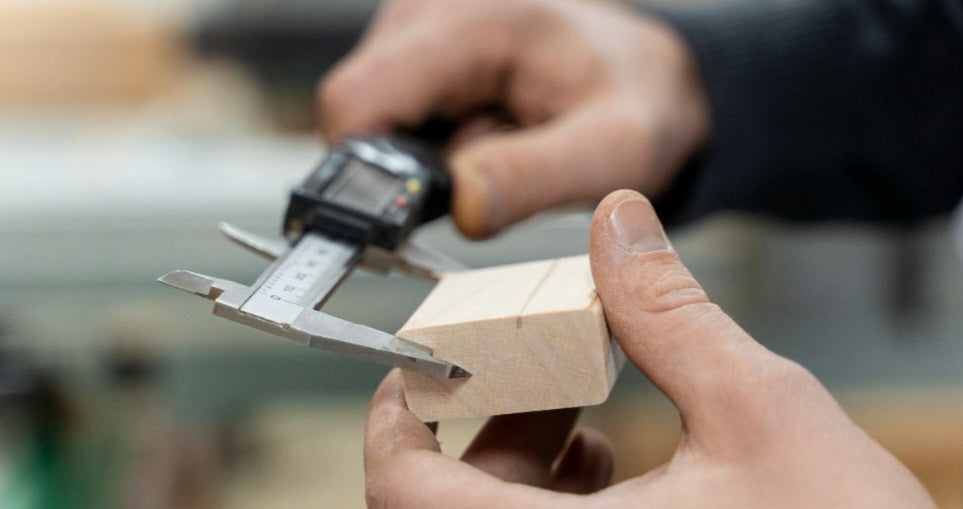
There is a distinct, frustrating moment in every household when an essential kitchen appliance—be it an aging oven, a trusted stove dial, or a heavy-duty food processor—loses a control knob. Suddenly, the plastic D-shaft socket cracks under years of torque, leaving you to fiddle with pliers or struggle to adjust temperatures. Buying an original equipment manufacturer (OEM) replacement part for older appliances is often impossible, exceptionally expensive, or delayed by weeks of shipping. For South African homeowners and makers working with tight budgets, turning to digital calipers and a 3D printer transforms a broken appliance into a fully functional machine in a single afternoon.
Replicating D-Shaft and Spline Geometries:
Accurately model internal flat edges or multi-tooth splines in your CAD software, allowing the printed knob to lock securely onto metal control valves.
Selecting High-Strength, Heat-Resistant Filaments:
Avoid low-temperature plastics like standard PLA near hot kitchen ovens; opt instead for heat-tolerant materials like ABS, ASA, or PETG.
Configuring Slicer Settings for Durability:
Increase wall perimeters and set infill density to 100% around the central socket receiver to handle the continuous twisting force of daily use.
Getting the basic physical dimensions right, designing a reliable replacement knob requires careful attention to mechanical leverage and user ergonomics. A knob that looks correct visually will feel flimsy or slip under wet hands if the wall thickness around the core is insufficient. By adding subtle finger grips, ribs, or knurled textures into the outer perimeter during the CAD modeling stage, you ensure the replacement feels even better and more ergonomic than the original factory component.
Because kitchen appliances are subjected to frequent physical handling, heat radiation from stove burners, and chemical exposure from cleaning detergents, material longevity is paramount. Printing with durable, UV-stable polymers ensures the component will not degrade, warp, or become brittle over time. By combining precise digital measuring tools with smart slicer configurations, you can easily rescue obsolete appliances from the scrap heap and restore full control to your workshop or kitchen.
To achieve an absolute factory-grade fit on high-torque control valves, makers can employ a clever post-processing technique: embedding a small, heated brass threaded insert or retaining nut directly into the rear socket of the printed dial. By pre-tapping the plastic hole and utilizing a set screw alongside your D-shaft geometry, you eliminate any chance of rotational slippage over years of heavy use. This advanced mechanical locking method transforms a simple plastic replica into a rugged, industrial-grade control interface that outperforms the original OEM part entirely.


