
Stepping into the world of 3D printing is exciting, but it usually starts with one major crossroad: Should you buy an FDM (Filament) printer or a Resin (SLA/MSLA) printer?
At first glance, both machines produce 3D objects, but under the hood, they operate completely differently. Choosing the right technology depends entirely on what you plan to make, your budget, and how much post-processing work you are willing to handle.
Let’s break down how they work, their pros and cons, and which one deserves a spot in your workspace.
How They Work (In Plain English)
FDM (Fused Deposition Modeling):
Imagine a computer-controlled hot glue gun. FDM printers pull a solid string of plastic filament (like PLA, ABS, or PETG) through a heated nozzle, melting it and laying it down layer by layer from the bottom up.
Resin (SLA / MSLA):
Resin printers use liquid photopolymer resin housed in a vat. A UV light source (either a laser or an LCD screen) cures and hardens the liquid layer by layer, typically pulling the print upside-down out of the vat.
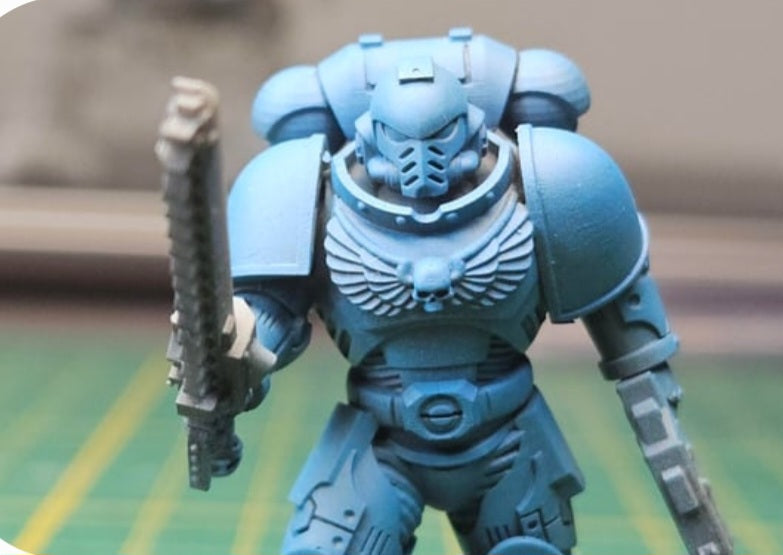
FDM printing uses solid plastic spools like PLA, ABS, and PETG as its primary material, whereas resin printing utilizes liquid photopolymer resin. When it comes to the surface finish, FDM leaves visible layer lines that may require sanding, while resin delivers an ultra-smooth, injection-molded look.
Deep Dive: FDM Printing
The Pros:
Beginner-Friendly:
Easy to set up, load, and maintain.
Strong, Functional Parts:
Plastics like PETG and ABS yield tough, durable components that can handle mechanical stress.
Affordable Upkeep:
Filament is cost-effective, and spools are clean to store.
Larger Build Volumes:
Perfect for printing bigger items like cosplay helmets, structural brackets, and large prototypes.
The Cons:
Visible Layer Lines:
Because it prints in thick rows, surfaces are rarely completely smooth without manual sanding.
Lower Precision:
Not ideal for intricate, tiny features.
Deep Dive: Resin Printing
The Pros:
Mind-Blowing Detail:
The undisputed king of precision. It handles hyper-intricate geometries effortlessly.
Flawless Surface Finish:
Prints look smooth right off the build plate with virtually no visible layer lines.
Batch Printing Efficiency:
Unlike FDM (which prints objects sequentially or takes longer for multiple items), a resin printer takes the exact same amount of time to print one miniature as it does to fill the entire build plate.
The Cons:
The Messy Workflow:
Finished prints must be washed in isopropyl alcohol and post-cured under UV light.
Safety Requirements:
Liquid resin is a chemical irritant and toxic. You must wear gloves, eye protection, and ensure your workspace has proper ventilation.
Brittle Material:
Standard resin parts can shatter or snap easily if dropped.
The Verdict: Which One Should You Choose?
Your final choice comes down to a simple philosophy: Utility vs. Beauty.
Choose FDM if: You want a clean, easy-to-learn experience and plan to build mechanical parts, structural brackets, household organizers, tool holders, or large-scale props.
Choose Resin if: Your primary focus is high-detail artistic work, such as tabletop miniatures, complex jewelry masters, delicate sculptures, or smooth display pieces, and you don't mind a bit of post-processing cleanup.


