
Polycarbonate (PC) stands at the pinnacle of desktop and industrial 3D printing materials. Revered for its incredible impact resistance, high structural rigidity, and remarkable thermal stability, it is the ultimate thermoplastic for demanding engineering applications.
Unlike everyday aesthetic filaments, polycarbonate is engineered to withstand extreme physical abuse, high continuous operating temperatures, and harsh mechanical stress.
However, because PC is an industrial-grade polymer, it pushes standard consumer 3D printers to their absolute limits.
Printing polycarbonate successfully requires specialized hardware, strict environmental controls, and careful pre-print preparation.
Below is a comprehensive guide detailing everything your setup needs to handle polycarbonate and where this powerhouse material shines.
Extreme Thermal Capabilities (Hotend and Bed)
Polycarbonate requires massive amounts of heat to melt, flow, and bond correctly.
The Hotend Requirement:
Most polycarbonate blends require printing temperatures ranging from 260°C to 300°C (and sometimes higher for specialized glass-filled or carbon-fiber variants).
Standard 3D printers equipped with PTFE-lined hotends cannot print PC; the PTFE tube will degrade, break down, and release toxic fumes at these sustained high temperatures. You must use an all-metal hotend paired with a hardened steel or abrasion-resistant nozzle.
The Heated Bed Requirement:
A high-temperature heated bed is non-negotiable. To prevent the molten plastic from cooling down too quickly and shrinking away from the build plate, your bed needs to maintain a steady temperature of 100°C to 120°C (or higher depending on your specific brand of filament).
Fully Enclosed and Heated Chamber
Thermal contraction is the greatest enemy when printing polycarbonate.
The Challenge:
As PC cools from its molten state to room temperature, it contracts significantly. If printed in an open-air environment, the temperature differential between the hot print and the cool ambient air causes massive internal stresses, leading to severe warping, corners lifting off the bed, and catastrophic layer splitting.
The Solution:
A fully enclosed 3D printer chamber is mandatory. An enclosure traps the radiant heat from the print bed, creating a stable, warm ambient environment. This slows down the cooling rate of the part, allowing individual layers to fuse together thoroughly and eliminating thermal shock.
High-Performance Build Plate Adhesion
Even with a heated bed, getting polycarbonate to stick reliably for a multi-hour print can be notoriously difficult.
The Solution:
Standard glass, bare magnetic spring steel, or plain PEI sheets generally fail to grip polycarbonate securely. You will need specialized adhesive solutions to act as an interface layer.
High-temperature engineering glue sticks, specialized liquid build-plate adhesives, or dedicated Garolite (G-10) sheets are essential for anchoring the first layer firmly down and preventing mid-print detachment.
Rigorous Moisture Management (Hygroscopic Nature)
Like nylon, unprinted polycarbonate filament is extremely hygroscopic—meaning it acts like a sponge for airborne moisture.
The Problem:
If left exposed to ambient humidity, the filament absorbs water molecules. When that wet filament hits the 280°C hotend, the trapped water instantly boils, causing audible popping, bubbling, excessive stringing, surface pitting, and a dramatic drop in layer adhesion that leaves your parts brittle and weak.
The Solution:
Always store your PC spools in an airtight dry box filled with fresh silica gel. For best results, print directly out of an active filament dryer box that keeps the spool heated and dehydrated throughout the entire duration of the print job.
Common Uses and Applications for Polycarbonate
Because of its elite mechanical properties, polycarbonate is chosen when ordinary plastics simply will not cut it:
Automotive and Mechanical Components:
Under-the-hood brackets, custom engine bay components, high-stress gears, functional pulleys, and mechanical jigs that experience continuous friction and heavy loads.
Structural Housings and Enclosures:
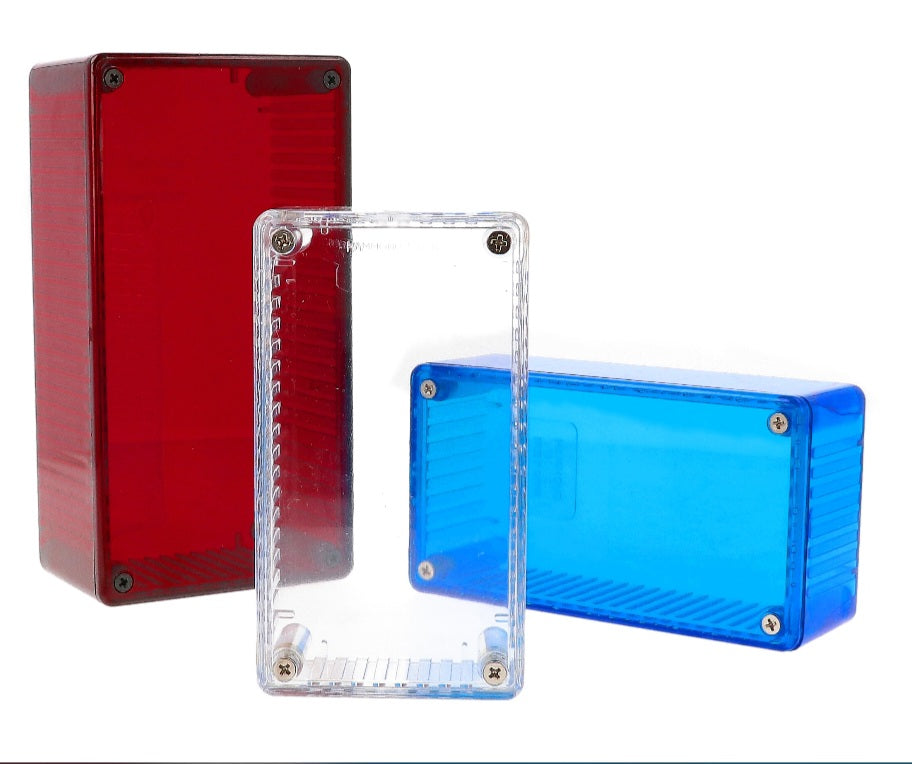
Durable protective covers, rugged electronics enclosures, and heavy-duty robotics chassis that require high structural integrity.
Transparent and Impact-Resistant Parts:
Because unblended PC offers high optical clarity combined with shatterproof impact resistance, it is frequently used for custom light covers, protective machine guards, transparent windows, and wearable face shields.


