
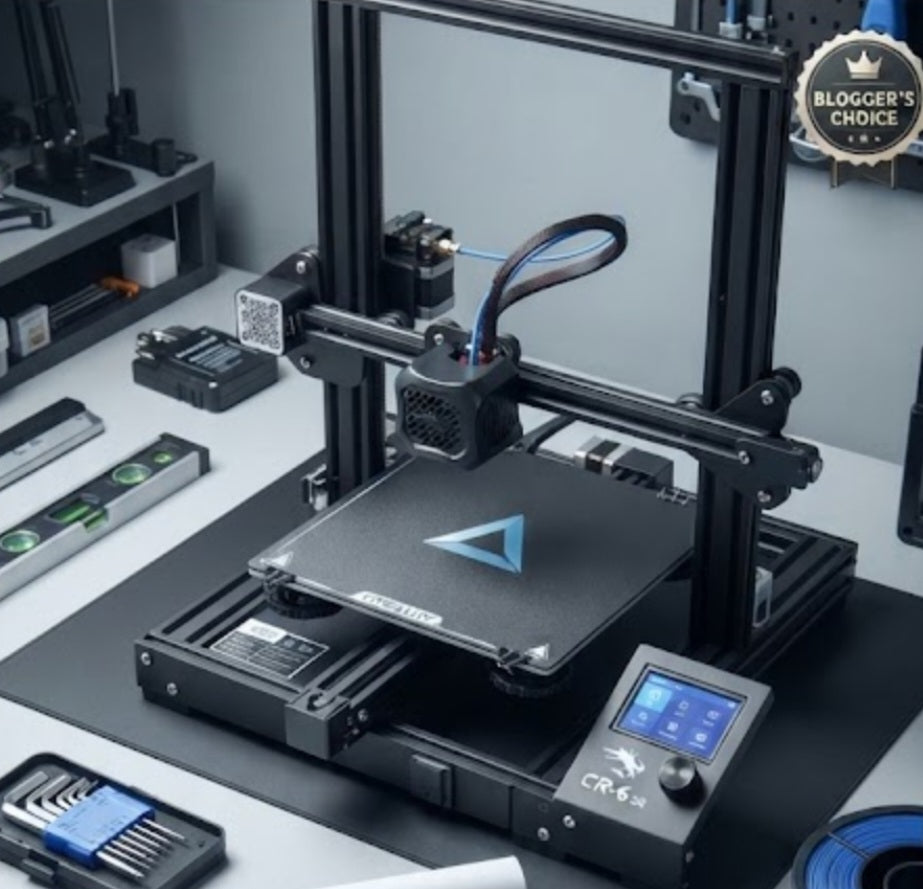
Scoring a deal on an open-box or demo-unit 3D printer can feel like a major win for your workshop budget, but it is a transaction that requires a healthy dose of technical skepticism. Unlike factory-sealed gear, open-box machines carry a history—they might be simple customer change-of-mind returns, or they could be poorly calibrated units sent back after a frustrating series of unresolving print failures. Before you commit your hard-earned Rands to a discounted machine, you need to dig past the marketing hype and get clear answers about its condition, component wear, and backing support.
What Was the Exact Reason for the Return? Ask the vendor or previous owner whether the machine was an un-opened buyer's remorse return, a floor demo model, or sent back due to a specific hardware or firmware malfunction.
Are All Original Accessories and Proprietary Tools Included? Verify that critical items—such as specialized hex keys, nozzle cleaning pins, power bricks matching 230V standards, and sample filament or build plates—are actually in the box.
What is the Status of the Warranty and Store Return Policy? Confirm whether the manufacturer's original warranty transfers to second-hand buyers or if the retailer offers a short local store guarantee to test the machine thoroughly.
Can I Inspect the Total Print Hours and Component Wear? Check the printer’s internal firmware logs or screen statistics to see how many hours the hotend, bed, and stepper motors have actually logged in operation.
Buying open-box hardware is always a calculated risk, and cutting corners on your pre-purchase vetting can easily turn a bargain into an expensive paperweight. When evaluating a machine locally, your first point of inquiry should always be the return narrative. A unit returned because a beginner found FDM printing too complex is vastly different from a machine returned because of a warped aluminum bed or a dead mainboard. Insist on a clear breakdown of what testing the retailer has performed since taking the item back into inventory, and check whether vital components like the thermistor, heater cartridge, and extruder gears show signs of excessive wear or replacement.
Beyond mechanical checks, pay close attention to the financial and support safety net. A discounted price loses its appeal instantly if you cannot source replacement parts or if the power supply lacks local certification compliance. Always verify what kind of fallback protection you have once you unbox it on your workbench. By asking the right technical questions up front, you ensure that your open-box investment delivers reliable production capacity rather than an endless troubleshooting headache.
Securing a discounted open-box machine requires looking past the initial price tag and demanding total transparency about its working history. By verifying every bolt, board, and warranty term before handing over your money, you safeguard your workshop against inheriting someone else's unresolved calibration nightmares.


